Trusted context. Production ready agents
zaimler curates your siloed data across ODS, lakehouses, and systems of record to create the unified context needed to build deterministic AI applications.

[ WHY ZAIMLER ]
Enterprises are racing to build AI applications. Their data is holding them back
Agents fail in production for one reason: they see an incomplete, inconsistent picture of the business scattered across disconnected systems.
Unified Domain Model
Connect your sources, from ODS and lakehouses to systems of record, and establish one common reference for every business concept your agents reason about.
Auto-Inferred Context
Get the true meaning of your business data with an ontology auto-inferred by zaimler’s semantic analyzer, then validated by your team, not hand-built over quarters.
Built for Enterprise
Your IP stays yours. Sovereign VPC, air-gapped, or on-prem deployment, encryption throughout, and access controls enforced on every retrieval.
[ HOW IT WORKS ]
One governed model. Resolved live
[ GROUNDED OUTPUT ]
Answer from your system of record
Entity resolution joins the customer in SAP, the account in Salesforce, and the transactions in Snowflake into one consistent record, so every answer is grounded in your systems of record.
[ LIVE CONTEXT ]
Update your context in real-time
Context is read in place from your sources at the moment of the question. Query-time resolution means your agents never act on stale exports.
[ ZERO DATA COPY ]
Reach every app without moving data
Federate across warehouses and on-premises sources without migrations. Zero-copy architecture means nothing leaves your perimeter.
[ CENTRAL GOVERNANCE ]
Enforce access policies from a single point of entry
RBAC and ABAC enforced on every query across every source, with full lineage and audit on every answer.
[ SOVEREIGN BY DEFAULT ]
Keep data and models inside your perimeter
Deploys into your VPC or air-gapped on-prem. Nothing leaves your compliance boundary, and all inputs and outputs are your intellectual property.
[ PRODUCT ]
One context layer for every AI workload
Agents over MCP, analysts in plain language, applications on one governed model.
Platform
The context and governance layer for agentic AI. Connect sources, map the unified model, and serve every workload from one foundation.
Ontology
Auto-inferred from your data by the semantic analyzer, validated by your team. Most ontologies take quarters; yours starts working in days.
Explorer
Ask in plain language and trace the answer. Query the model across every connected source and see exactly where each fact came from.
Governance
Policy, lineage, and audit in one control plane. Enforce access policies across every source from a single point of entry.
[ IN YOUR INDUSTRY ]
Built for businesses where a wrong answer has a price
Ground every payout in the real policy record
Claims and billing resolve to the same policyholder so every payout follows a link that exists.
See true exposure across every mandate you run
Portfolio and risk come together as one book so exposure reflects what you hold today.
Alert on entity links that actually connect
Accounts and transactions land in one case so alerts fire on entities that are genuinely the same.
Join the whole patient before the decision
EHR and claims join into one record so prior authorization clears at the speed of care.
Answer the subscriber from live network state
Billing and network become one subscriber so your agent answers while the customer is on the line.
Reroute on the live state of your network
Fleet and freight run as one operation so routing adapts the moment an exception hits.
The context layer that makes enterprise AI actually work
Make your data AI ready
One governed model over the data you already have, serving every agent, analyst, and application.
Book a demo[ FIELD NOTES ]
Context for enterprise AI, from the people building it
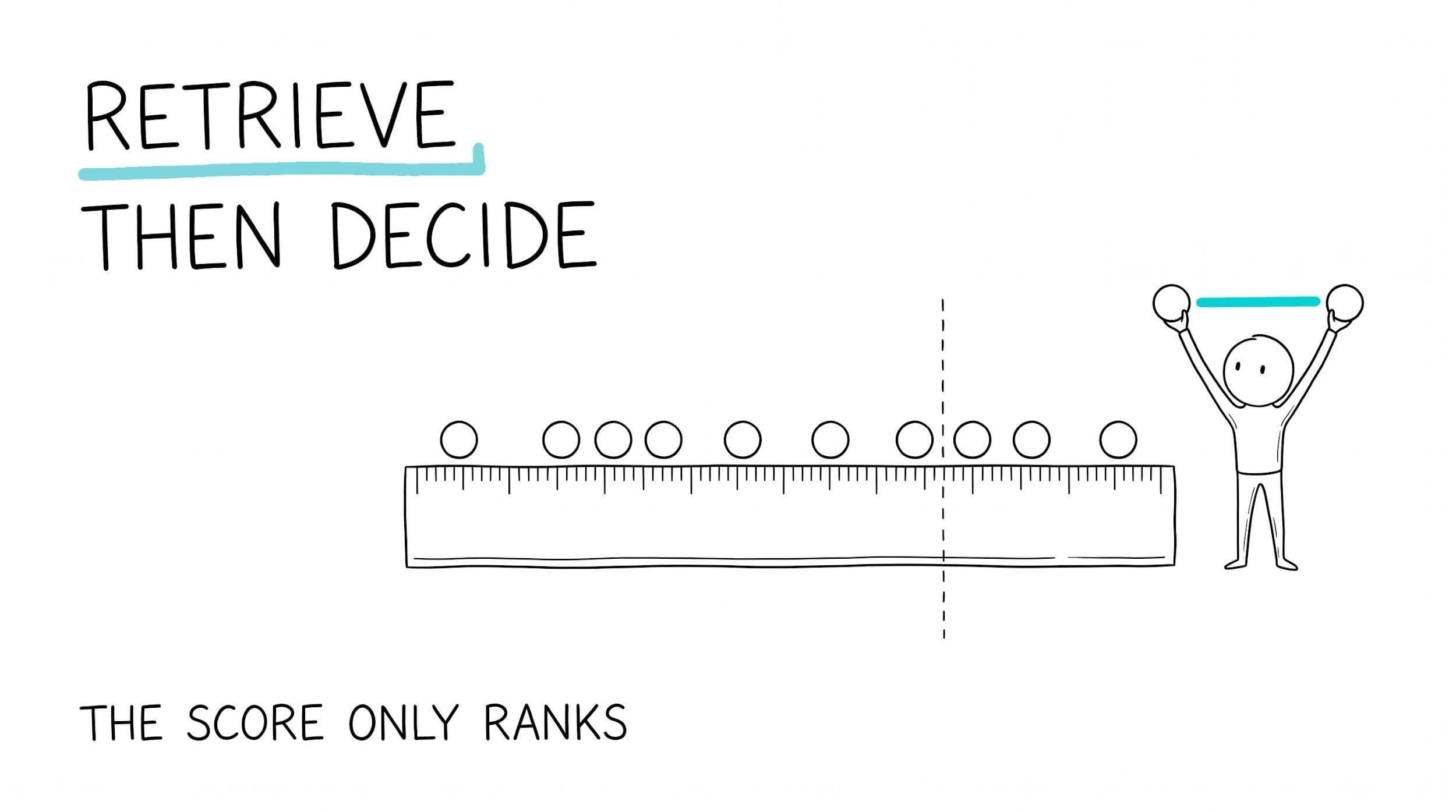
When Semantic Embeddings Break: Why No Cosine Threshold Will Save You
A cosine score ranks related terms. It cannot decide which ones are the same.
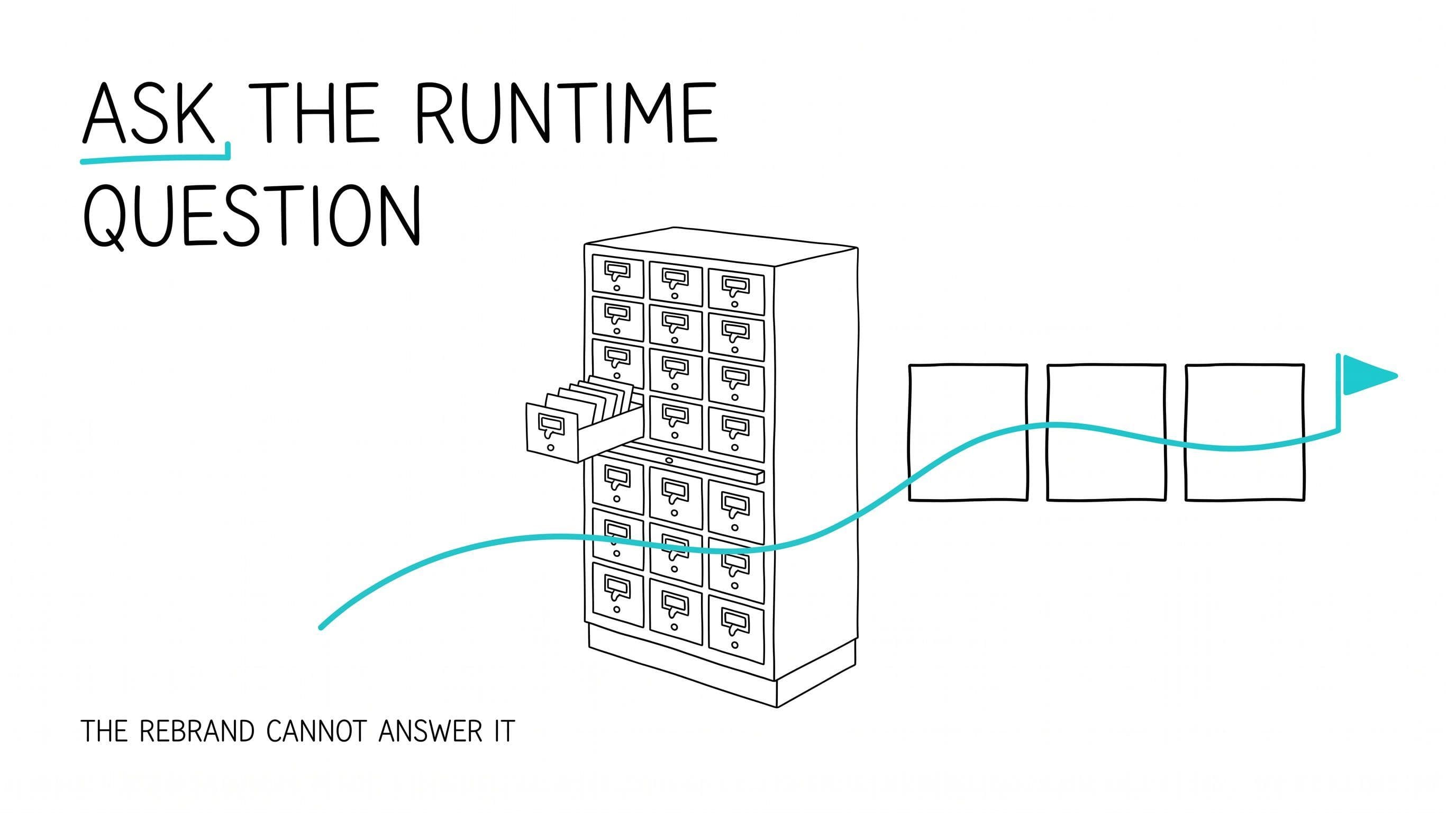
Five reasons data catalogs can't be a context layer
Data catalogs were built for design-time discovery & governance. AI agents need runtime context. Five structural reasons the catalog rebrand won't hold.
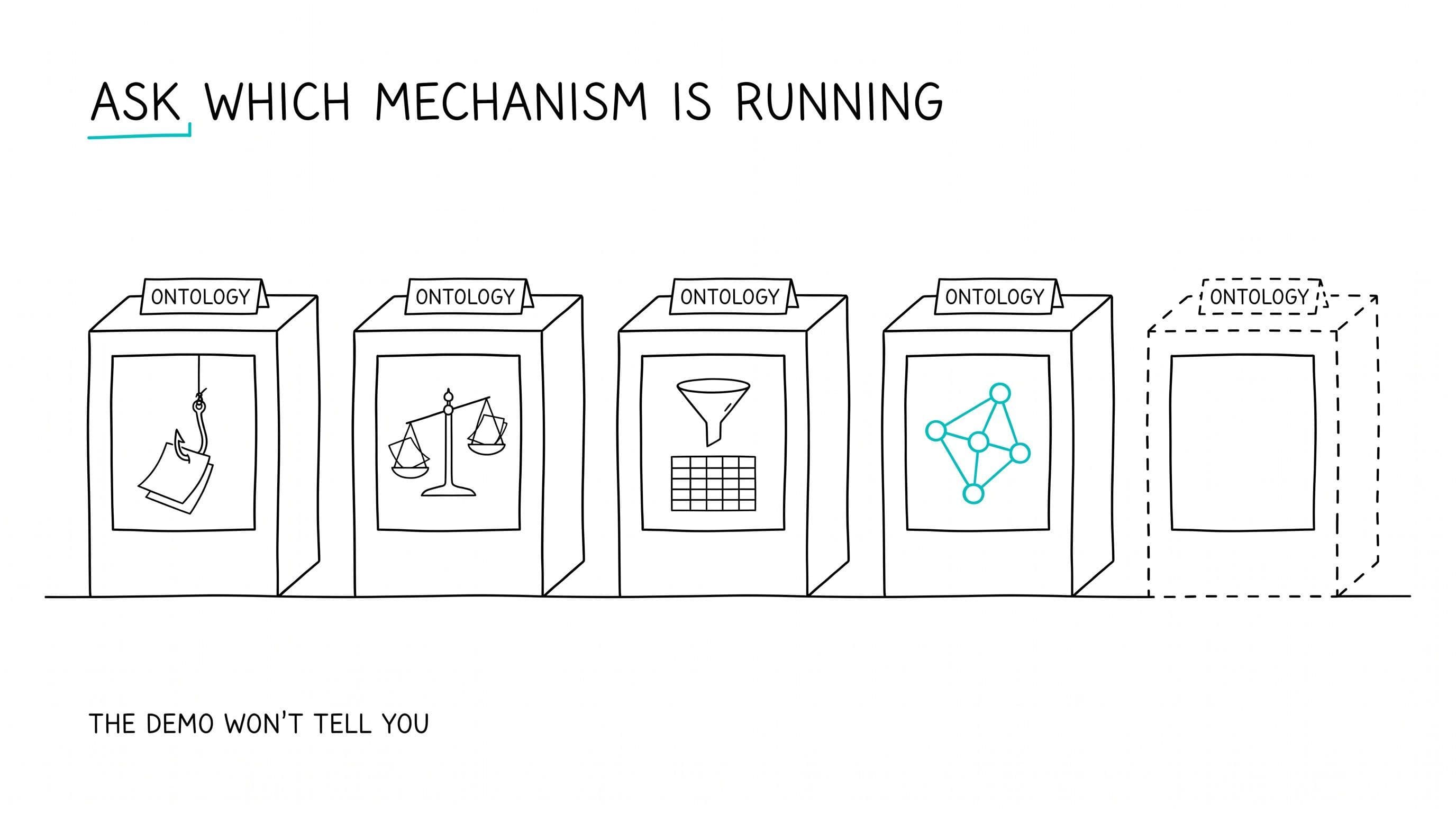
Two Summits, Same Blueprint
What Snowflake and Databricks announced in June 2026, and the five mechanisms behind any "context layer" claim